


So Long and Farewell Posted by Brittany Britanniae on Mar 31, 2022
Salvete Omnes, I hope you are all doing well. It has been a pleasure writing for this blog for the last several years since 2013. It has been a wonderful nine years since my first post in July 2013. I have written on a wide array of topics and would like to highlight my top…
Ancient Roman Serial Killers: Part II Posted by Brittany Britanniae on Feb 28, 2022
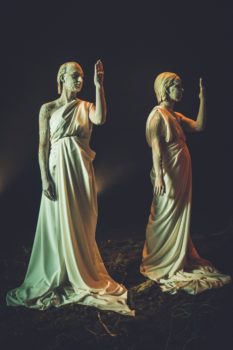
Salvete Omnes, I will be continuing and finishing this short series about Ancient Roman Serial Killers. This month’s focus is on two figures who may be identified as “serial killers” however, they were part of a larger group (organization?) conducting murders. For those die-hard fans of true crime, I do understand that serial killers have…
Ancient Roman Serial Killers: Part I Posted by Brittany Britanniae on Jan 31, 2022

This month, I will be kicking off a short series about Ancient Roman Serial Killers. I just got finished watching Dexter New Blood and now I think we start a true crime kick. This month’s focus is on one of the first figures who is identified as a “serial killer.” For those die-hard fans of…
Monty Python’s Latin Posted by Brittany Britanniae on Dec 27, 2021
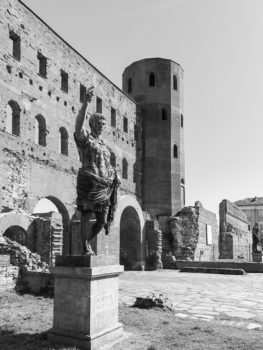
Tis the season! Every year as the holiday season draws nearer and our social media feed fill with traditions and lore from antiquity – I am sure that you all see Winter Solstice or Saturnalia meme or posts pop up. Over the years, I have done posts on these topics. I have also done Christmasy…
League of Legends, Arcane and Latin Posted by Brittany Britanniae on Nov 29, 2021

As the series Arcane: League of Legends sweeps the views of Netflix, I cannot help but jump on board. As a previous casual player and fan of the show, I needed to do a post about Latin in this world. League of Legends So, what is League of Legends? League of Legends is a competitive…
Lemuria: Spooky Roman Festival Posted by Brittany Britanniae on Oct 27, 2021

Today, we will be talking about Halloween, or rather one of the closest equivalences to Halloween in Ancient Rome: Lemuria. So, by closest equivalence – I meant that it is the day(s) of the year that Roman believed ghosts could/would affect their family and needed to be appeased. This is the root of Halloween and similar…
Ancient Roman Libraries and Banned Books Posted by Brittany Britanniae on Sep 27, 2021

During the month of September, two literary events are celebrated. They are National Library Card Sign Up Month and Banned Books Week. Both celebrations are meant to bring awareness to the resources of libraries as well as current censorship. This month’s blog will be reviewing Ancient Roman libraries as well as banned books (or censored…