Logo
Live chat by BoldChat
McAfee Secure sites help keep you safe from identity theft, credit card fraud, spyware, spam, viruses and online scams
Call Toll Free: (888) 245-1829 Contact Us Customer Service Tech Support Guarantee
Learn Ukrainian Language
Ukrainian Learning
About Ukrainian
Ukrainian Products
Quizzes
Resources
Learn Ukrainian with Free Software Downloads

Mailing List


Exclusive offers.
Product highlights.
Language updates.
Join our mailng list today!


Overview of the Ukrainian Language

Ukrainian is the official language of Ukraine (with the exception of the Crimea region, where the majority of the population is Russian) and is the first language of the majority of its citizens. Like Russian and Belorussian, Ukrainian belongs to the East Slavic group of the Slavic subfamily of Indo-European languages. Linguists believe that the Slavic languages have retained the features of the original Proto Indo-European language to a much greater extent than the Romance and the Germanic languages have. The spoken Slavic languages also show more similarity among themselves than do the Germanic or the Romance languages. However, some are written in the Cyrillic alphabet and some in the Latin alphabet. Ukrainian, Russian, and Belorussian are all written in the Cyrillic alphabet. These three major Eastern Slavic languages began to diverge around the 12th or 13th century, and all three languages are still mutually intelligible to some extent.
 
Ukrainian Vocabulary
 
One Ukrainian word that has become a part of the English language is borscht. Another cultural contribution of Ukraine is the beloved and well-known "Carol of the Bells," which is a traditional Ukrainian folk song.
 
As you learn the Ukrainian language, you will notice that some words that sound like English have a very different meaning in Ukrainian. For example, the Ukrainian word rid means generation or origin. The word is means from in Ukrainian. The Ukrainian word dim means smoke and the word on is an interjection meaning here!
 
Formal and Informal Address in the Ukrainian Language

There are two forms of address in Ukrainian: the polite second person plural vy and the familiar second person singular ty. It is considered rude to use the familiar form when first meeting someone, unless the person you are addressing happens to be a small child. Always use the polite form of address until you are invited to switch to the familiar. The invitation to do so is a sign that your friendship with the native speaker has reached a warmer, more intimate level.
 
Ukrainian Grammar

In Ukrainian, nouns (as well as adjectives, and most pronouns) decline in seven cases. Because Ukrainian is highly inflected, the word order in sentences is fluid. The declined endings of nouns identify the subject and the direct and indirect objects, among other things.
 
Ukrainian verbs possess a feature called "aspect." The aspect can be perfective (action that has been completed) or imperfective (ongoing action). A variety of prefixes that help create perfective verbs convey shades of meaning that frequently require several words to translate in English-- or defy translation altogether.
 
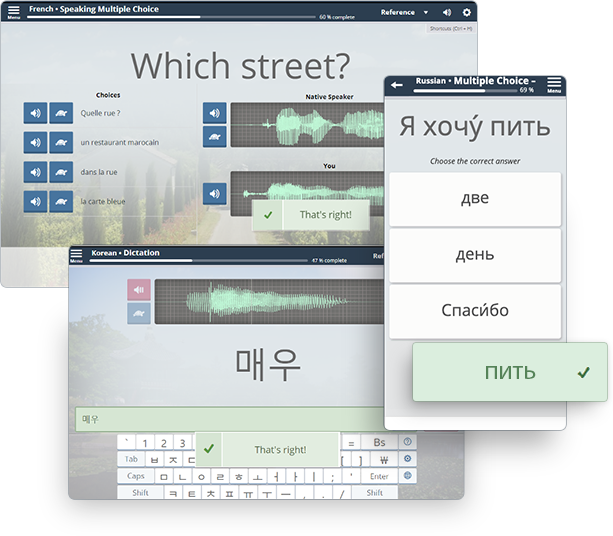
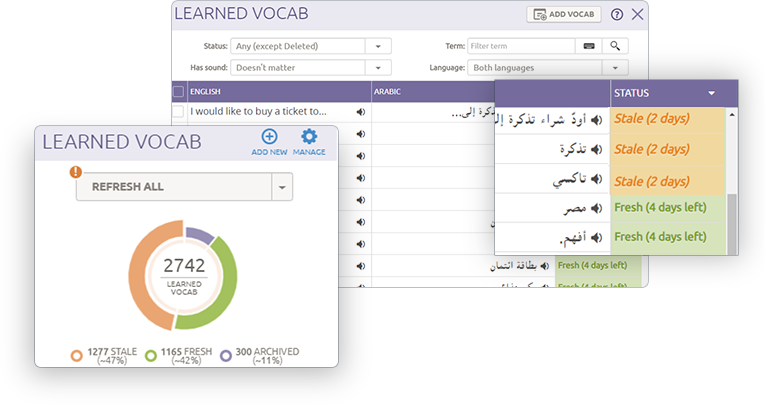
Because Ukrainian pronunciation and grammar can be challenging to master, regular practice is necessary to achieve true success. That's why Ukrainian software programs like those from Transparent Language are a useful idea. The fun games, educational activities, and native speaker recordings that accompany these programs will provide you with valuable tools in your quest for knowledge of this beautiful language.

Ukrainian Byki Deluxe


Home | About | Products | Languages | Store | Partners | Government | Contact Us | Customer Service | Technical Support | Privacy Policy | Terms and Conditions

If you have comments about this language learning site, language software, or ways to learn languages, please contact us.
©2009 Transparent Language. All Rights Reserved. www.transparent.com
Please also visit our language websites:
Arabic | Chinese | Dutch | French | German | Hebrew | Italian | Japanese | Latin | Polish | Portuguese | Russian | Spanish | Swedish