The Polish language is the official
language of the Republic of Poland, and it is spoken as a first language of the vast majority of its 39
million people. Over 3 million people living abroad also speak Polish, mostly in
the United States and Canada.
The Polish language (along with Slovak and Czech) belongs to the West Slavic group of the Slavic
subfamily of Indo-European languages. Linguists believe that the Slavic languages have
retained the features of the original Proto-Indo-European language to a much greater
degree than have the Germanic and Romance languages. The spoken Slavic languages also show
more similarity among themselves than do the Germanic or the Romance languages.
Polish is written in the Latin alphabet, with the addition of diacritical marks over
some of the letters. The stress pattern in Polish usually falls on the penultimate (next
to last) syllable. The earliest documents in the Polish language date back to the 14th
century. Prior to that time, both official and literary documents in Poland were written in Latin.
As you learn Polish, you will notice that some Polish vocabulary words resemble
English. But don't assume that a Polish vocabulary word always means what you think it does! For example, the
Polish word dym, (pronounced "dim") actually means "smoke." The
Polish word on means "he," and the word los, though pronounced
like the English "loss," actually means "destiny" in Polish.
When you speak Polish to someone who is not a close friend or a young child, it is polite to
refer to the person you are addressing in the third person, using the words Pan
(Sir) and Pani (Madam) followed by the title of that person. When your friendship
becomes more intimate, you can use the person's first name, rather than their title, after the words Pan or Pani.
As you learn Polish, you'll notice that Polish grammar can be quite complex. For example, Polish nouns (as well as adjectives and most pronouns) decline in seven
cases. Because the Polish language is so highly inflected, the word order in sentences is fluid (unlike
in English)-- that is to say, the declined endings of Polish nouns identify the subject and the
direct and indirect objects, as well as other meanings.
Polish verbs possess a feature called "aspect." The aspect can be perfective
or imperfective, showing perpetual action and action that is completed. A variety of
prefixes help create perfective verbs which convey shades of meaning that frequently
require several words in an English translation, or defy translation altogether.
Written Polish can awe the student with its frequent conglomerations of several
consonants in a row. Realizing that in most cases these letter combinations represent a
single sound will make learning Polish pronunciation a bit less daunting.
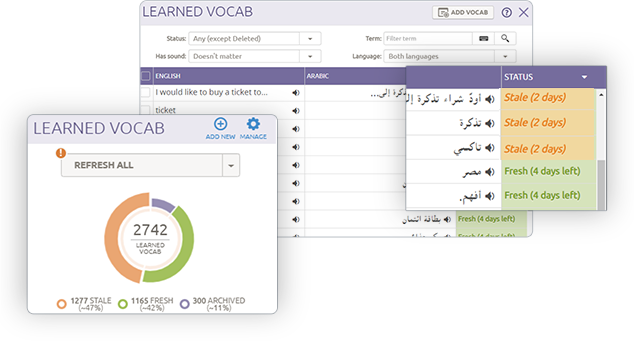
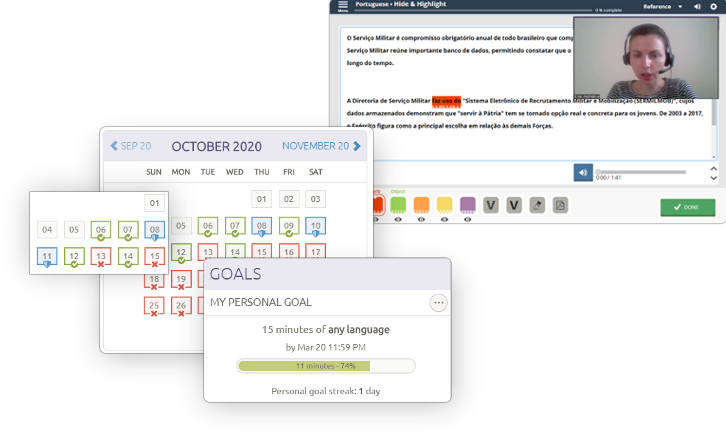
Regular practice is necessary to learn to speak Polish well. That's why good
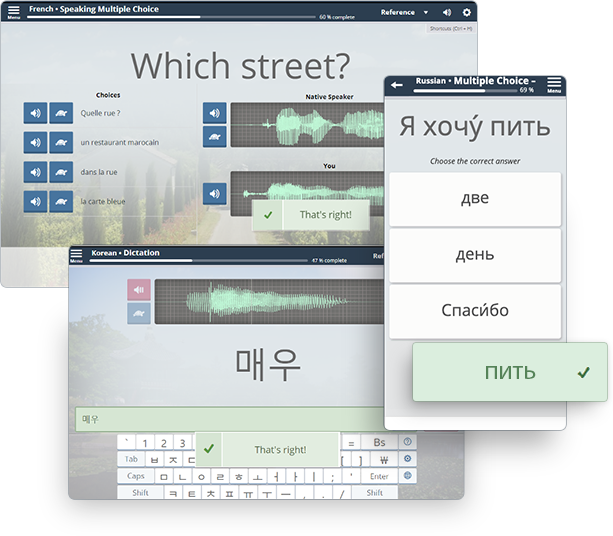
Polish software programs and other Polish products can be so useful. It's easier than ever to learn Polish and to begin to speak Polish with the language
resources and Polish language software from Transparent Language. With
PolishNow!,
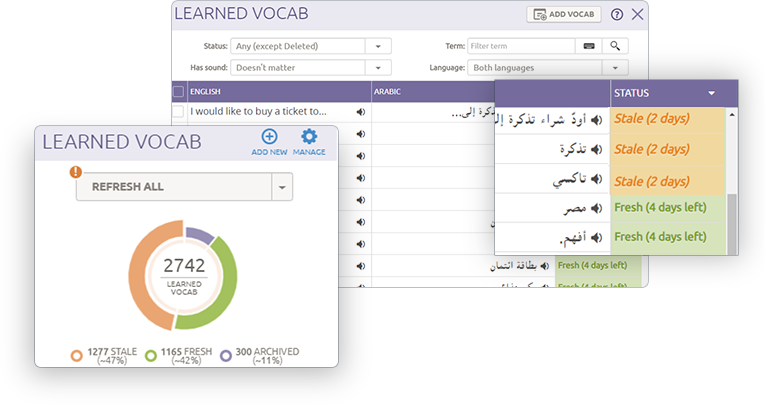
Before You Know It, and our other language learning products, you will speak Polish, learn the Polish alphabet, learn Polish vocabulary, conjugate Polish verbs, understand Polish grammar, and master Polish
pronunciation quickly. Best wishes as you learn Polish!