Norwegian consists of two distinct dialects, bokmål and nynorsk. Both are part
of the Scandinavian language family of the Germanic branch of Indo-European languages, and
both have equal status in Norway. Bokmål (literally "book language") is used
primarily in the cities. Most newspapers and television and radio broadcasts are in
bokmål, which is closely related to Danish. Nynorsk is a dialect that was formed in the
mid-1800s from the rural dialects of Norwegian, in a conscious effort to separate the
Norwegian language from Danish.
Norwegian, Swedish, and Danish are linguistically very
closely related and are generally mutually intelligible. This is due to the way the
national boundaries have been in flux throughout Scandinavian history. Norway and Denmark
were a single country for four centuries, until 1814. And after they split apart, Norway
was under the rule of the Swedish crown until 1905. The movement for the recognition of a
Norwegian language separate from Danish and Swedish led to the consequent formation of
nynorsk.
English words of Norwegian origin include
fjord,
nook,
krill,
scrawny,
trash,
slump,
dollop, and
rig.
There are some false cognates in Norwegian, however. The following words may look like English, but watch
out! If you ask for
hake at a restaurant, they will bring you a "chin"!
If you say you would like to swim in the
lake, you are asking to take a dip in
"brine"! Here are some more words to be careful of:
odd means
"point";
padde means "toad"; and
rugg means
"heavy."
In Norwegian, there are two ways to address someone,
depending on your relationship. The personal pronoun
du (never capitalized) is used
when addressing people you know well, like family members and good friends.
De
(always spelled with a capital "D") is reserved for people of high status,
elders, and people you are meeting for the first time. Although the
De form has
fallen into disuse in Norway, there has been a recent revival of formal address and it is
slowly becoming more common.
The definite article in Norwegian is expressed with a
suffix. For example,
språk means "language,"
while
språket
means "the language."
Verbs are not marked by person or number; instead, a suffix
is added to the verb to mark the tense or mood. For example, the common suffix
-(e)r
is added to regular verbs in the present tense.
Reise means "to travel,"
while
reiser means "I travel," "you travel," "he/she/it
travels," "we travel," and "they travel."
Nouns in Norwegian are categorized by gender. This can
prove difficult for English-speakers learning the language, since gender is not a part of
English grammar. The three categories of Norwegian gender are masculine, feminine, and
neuter. For example,
gutt (boy) is masculine,
jente (girl) is feminine, and
barn
(child) is neuter. But don't be tricked-- the meaning of the word is not always an
indicator of its gender. Many types of flowers and plants are masculine, the parts of the
body are feminine, and the names of materials and substances (iron, steel) are neuter.
Many people study languages but stop using them and then forget
what they have learned. That's why good
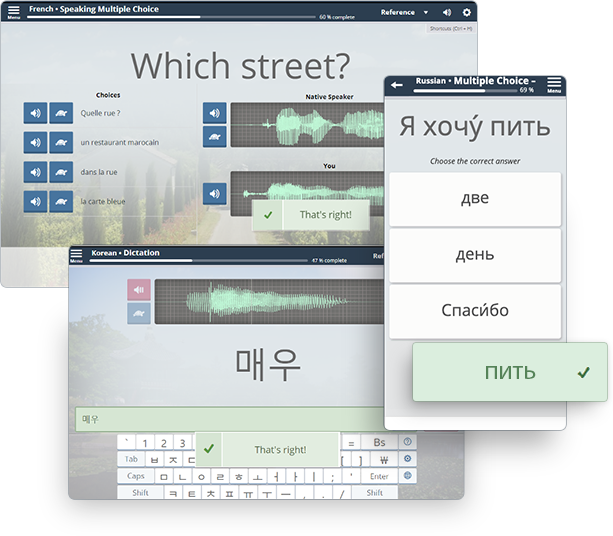
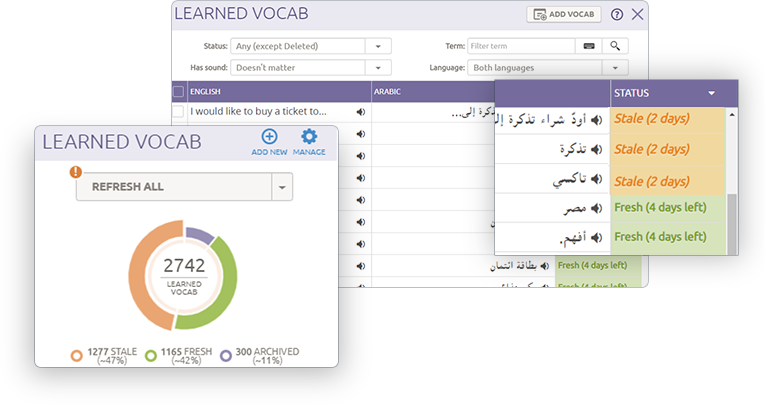
Norwegian software programs can be particularly useful. Now that you can use and enjoy Norwegian independently with
Transparent Language's software packages, not only
will you learn it, but you will also remember it. We
wish you all the best with your study of Norwegian!