Over 100 million people speak German as their native language. German (
Deutsch) is the official language of Germany,
Liechtenstein, and Austria. German is also one of the four national languages in Switzerland.
Diverse modern dialects of the German language are spoken in Germany, Austria, Liechtenstein, northern
Italy, much of Switzerland, eastern France (Alsace and parts of Lorraine), as well as
parts of Luxembourg and Belgium. Small groups of people who speak German also live in various eastern
European countries, and many people learn German in schools.
Emigration has spread the German language to many other parts of the globe. There are
communities of German speakers in the U.S. (approximately 1.5 million speakers), Canada,
South America (Brazil, Argentina, and Chile), South Africa, and Australia. The fact that
every tenth book published in the world is written in German shows the extent of that the
German language is used throughout the world!
Low German dialects are spoken in the flatlands of the northern regions of
Germany. They sound more similar to Dutch and English than to High German. No standard
literary language exists for this group of dialects. The High German dialectal
group originated from the highlands in the southern parts of Germany. The standard written form of the
German language evolved from High German dialects.
The Swiss and Austrian dialects belong to the Alemannic group of dialects. Alemannic
dialects differ considerably from High German in phonology and grammar. In Swiss German,
for example, the word "Kind" (child) is pronounced "Chind."
Furthermore, in most of the Swiss German dialects, the nouns do not differentiate case
inflections the way they do in High German.
The German language belongs to the West Germanic sub-branch (along with English, Frisian, Yiddish,
Dutch, and Afrikaans) of the Germanic branch of the Indo-European languages. German
was shaped by migration of the Germanic tribes who lived in northern Europe during the
first millennium BC. German pronunciation underwent several major changes before it
crystallized in the form of High German in the 6th century AD. The earliest
record written in Old High German is a Latin-German dictionary, dating from 770 AD.
German vocabulary has contributed many words to English. For example, kindergarten and dachshund are English words of German origin. So are frankfurter
and hamburger. They refer to the German cities, Frankfurt and Hamburg.
Beware of false friends as you learn German vocabulary! They can make you look ridiculous! If you tell someone
that the Chef lost his Tag in the Klosett
you are really saying
that the boss lost his day in the lavatory! Other German vocabulary words that might trick you are bald,
which means "soon"; Brief, which means "letter"; and also,
which means "thus."
When you speak German, there are two forms of address: formal and informal. The formal address uses the pronoun Sie and the
last name of a person preceded by Frau (Mrs.) or Herr (Mr.).
Example: "Frau Meier, wo wohnen Sie?"
(Mrs. Meier, where do you live?)
Relatives, friends and youths address each other with du and their first names.
Example: "Sabine, wo wohnst du?"
(Sabine, where do you live?)
If you are learning German, you will notice a variety of grammatical differences between the German language and English. For one thing, all German nouns are capitalized. For example, in the sentence Das Haus
steht am See (The house is located at the lake), the nouns Haus (house) and See
(lake) are capitalized.
For many years, experts and politicians discussed the revision of the German
rules of spelling. The debate drew widespread public interest, since the matter was a very
controversial one. Finally, however, the new spelling system was implemented officially on
August 1, 1998. The reform aims to ease daily usage of the German language. The original
212 spelling rules were reduced to 112, and the rules of punctuation were cut down from 52
to 9. For the time being, an arrangement is effective that allows the usage of the old
rules together with the new ones. This arrangement will end July 31, 2005. From that point
on, only the new spelling rules will apply.
To an English speaker learning German, German pronunciation may sounds difficult because of the consonant
clusters in many words. Its not unusual to have three consonants in one syllable. Regular practice is necessary to learn to speak German well and develop good German pronunciation.
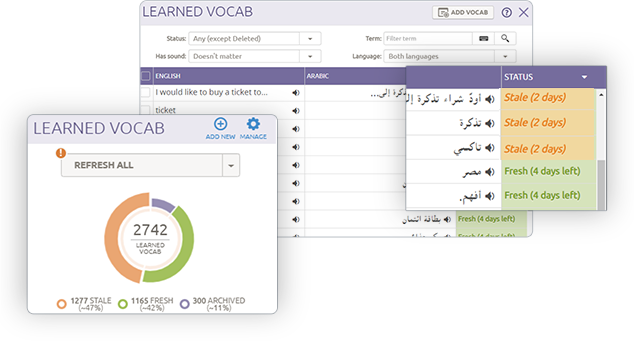
These aspects of German grammar and German pronunciation are a few reasons why good German software programs or audio products can be so important. It's easier than ever to learn German and to begin to speak German with the language
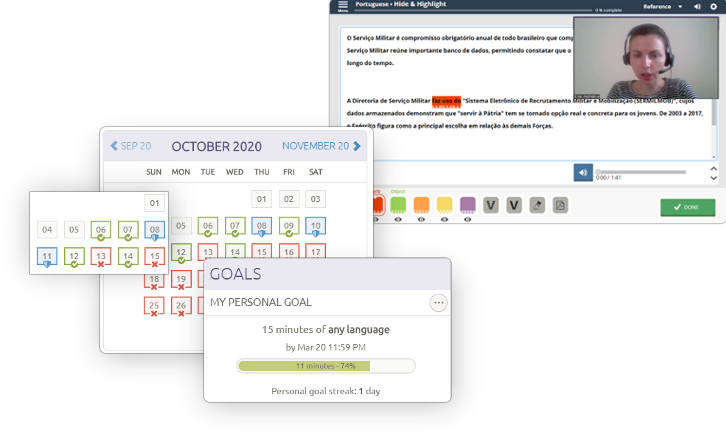
resources and German language software from Transparent Language. With GermanNow!, Before You Know It, KidSpeak, PDQ, and our other language learning products, you will speak German, learn German vocabulary, conjugate German verbs, understand German grammar, and master German pronunciation quickly. Plus, our German translation software, EasyTranslator, will help you translate German to English and translate English to German. Best of luck with your German language learning!