Finnish is
spoken by approximately five million people, mostly in Finland but also in the
United States and Sweden. The Finnish language belongs to the Finno-Ugrian group of languages, which is spoken in a region that extends from Norway into Siberia and the
Carpathian Mountains. This language group also includes the Hungarian and Estonian languages.
The history of the people and language of Finland is a
sensitive topic that can spark debate. The Finnish language, like many languages, has been greatly
influenced by other cultures over a long period of time and is still in the process of
evolution. The actual history of the language is mysterious and intriguing. Until
recently, it was thought that ancestors of the modern Finnish people arrived approximately
two thousand years ago from the East. But current theories surmise that Finland has been
populated since the last Ice Age-- some 9,000 years ago!
The Finnish language appears to be rooted in the distant
past. Standard Finnish, however, is quite new, the written language having been
established only in the 1500s. Modern Standard Finnish arrived in the 19th century, as the
result of a strong nationalist movement. With the independence of Finland in 1917 came the
realization that Finland was a nation with two languages: Finnish and Swedish. The country
is now considered to be bilingual.
One Finnish word that you already know is
sauna. So you have a head start on learning
the language!
Generally speaking, Finns use informal forms (2nd
person singular) when addressing other people. But the use of first names is reserved for
those close to you, unless you and the person you are talking with arrive at an explicit
agreement to use first names.
It helps to be aware of a few differences between
Finnish and English before you try to learn the language. You will not need to study noun
gender and articles, because Finnish does not have them. Moreover, Finnish is a phonetic
language, with each letter representing a single sound. However, the Finnish language has long and short
vowels, as well as long and short consonants.
A defining characteristic of the Finnish language is inflection:
endings and cases are added to words to show their grammatical function. That is why some
Finnish words are so long. Finnish has 15 declensional cases, while English only has two
(nominative and genitive).
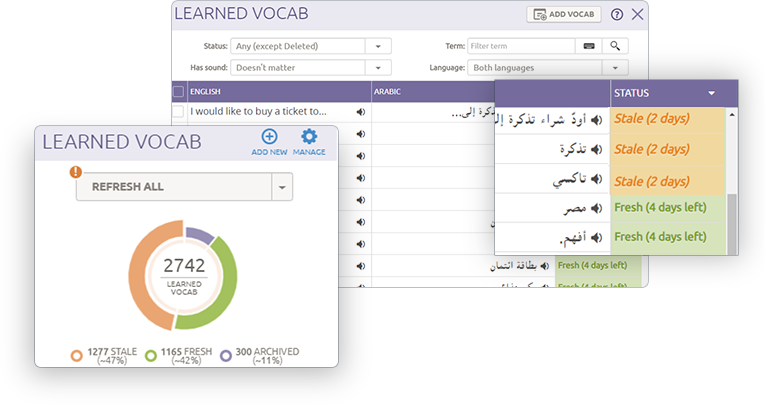
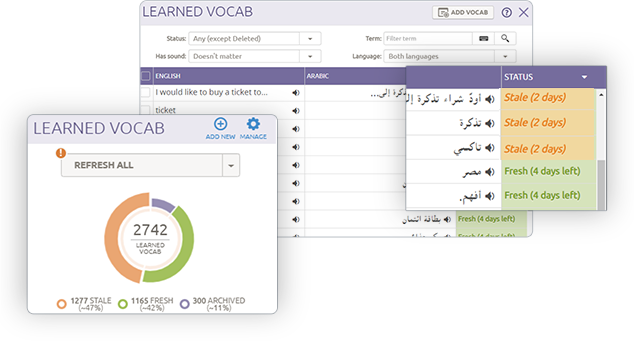
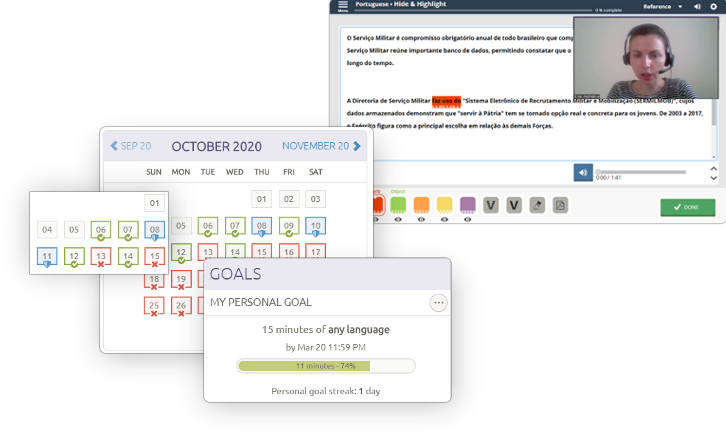
Many people study languages but stop using them and forget
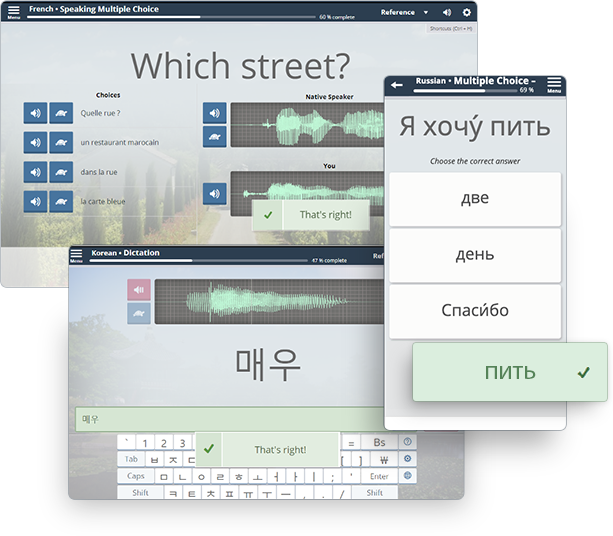
what they have learned. Now that you can use and enjoy Finnish independently with
Transparent Language's software products, you will not only learn the language-- you will
remember it.
It has never been easier to learn Finnish and to begin to speak Finnish than with the language resources and Finnish software programs available from Transparent Language. We wish you the best in your study of Finnish!