
Language learning made personal.
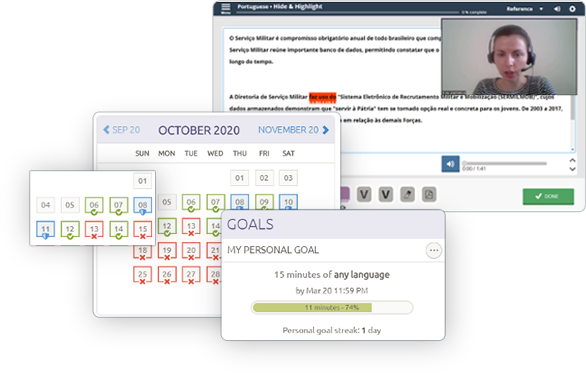
Transparent Language Online empowers you to learn anywhere, anytime, for any language goal — in 100+ languages.
Learn what you want, when you want.
No rigid courses here! Focus on what you care about most, whether you're just starting out with the alphabet and travel basics or you're advancing into conversational skills.
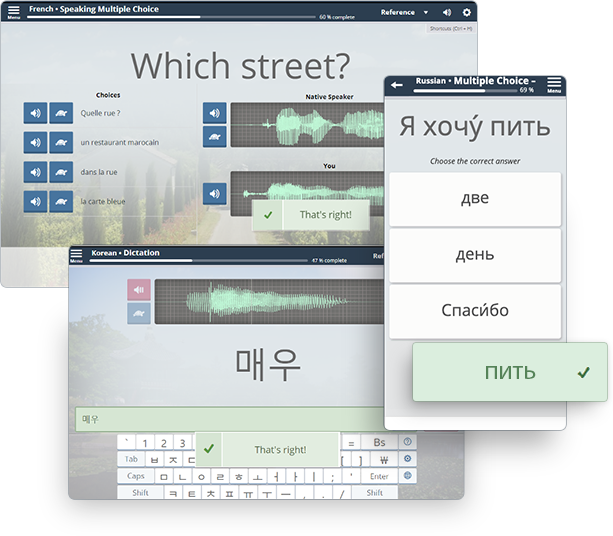
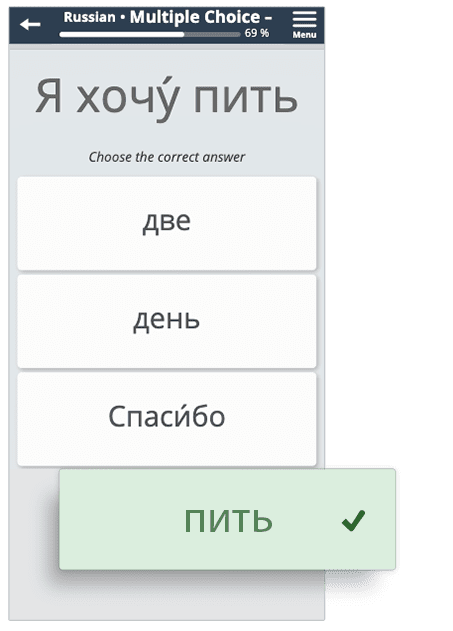
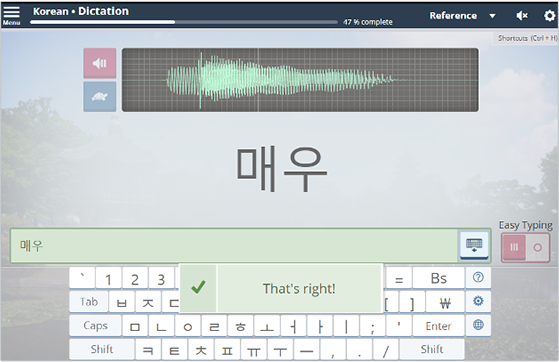
Remember it when you need it.
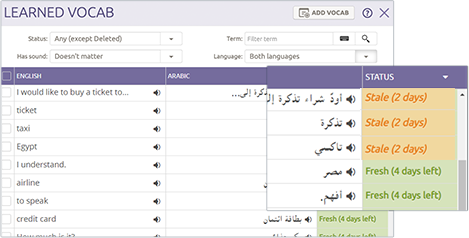
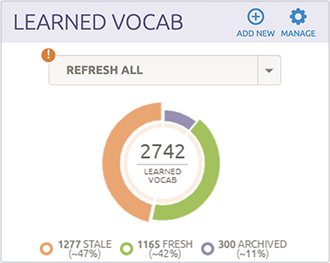
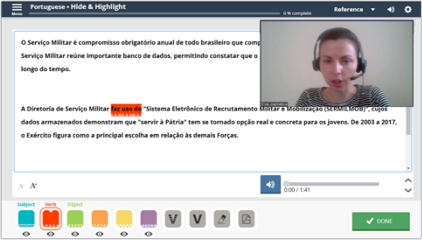
Use it or lose it! Incorporate real-world language into your studies and review it strategically so you can put it to use when you need it.
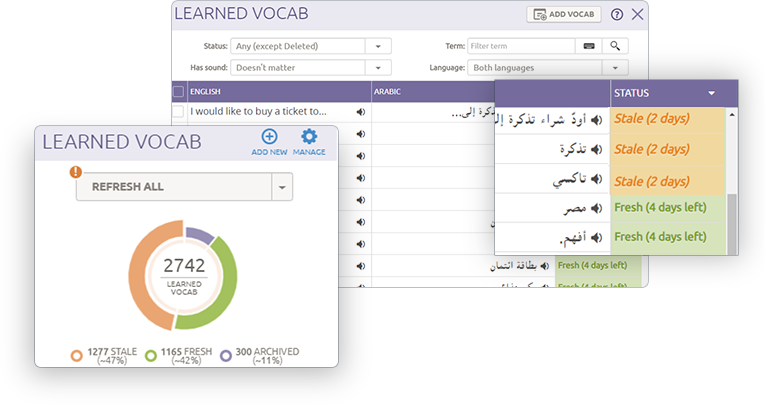
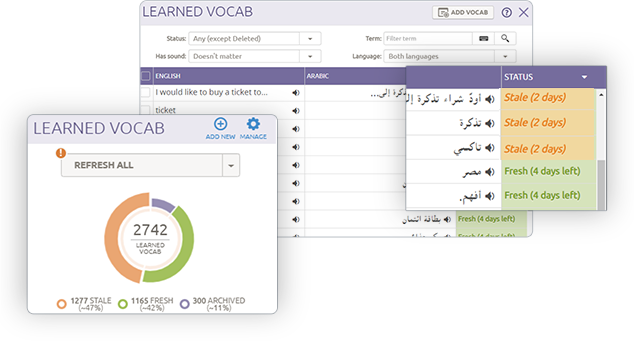
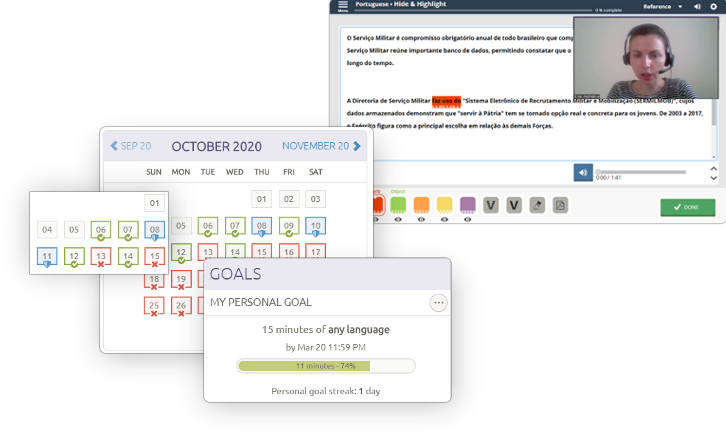
Stay motivated to keep learning.
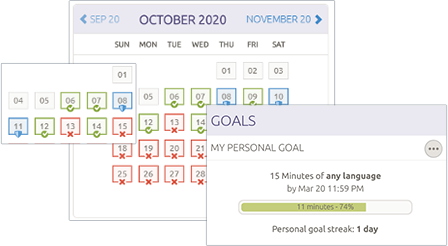
You're never really "done" learning a language, but wow does that sound daunting. We'll be your accountability partner to keep you going.
If you're dissatisfied with Transparent Language Online for any reason, get a full refund for the current subscription period anytime before your next billing cycle. View our full refund policy.
Would you like more information?
Request More InformationWould you like more information?
Please fill out the form below and we will contact you within 2 business days regarding your inquiry.
