


Slán Abhaile Posted by Bridgette on Mar 31, 2022
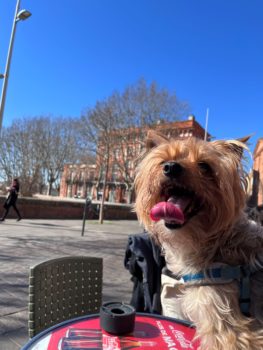
Slán Abhaile – Goodbye Slán Abhaile means ‘goodbye’ but it literally means ‘safe home,’ which I think is pretty fitting for today’s blog! 5 months ago I relocated and started to build a new life and ‘home’ in the south of France. It was always a dream of mine and it was made possible thanks…
Happy St. Patrick’s Day! Posted by Bridgette on Mar 17, 2022

Mora daoibh go léir! Greetings to you all! Earlier today in Dublin there was a large parade to celebrate, and you can see the recorded video here: Besides the celebrations today, there will be celebrations all throughout the weekend in Dublin. Check out some of the scheduled events here. The festival organizers talk about this…
Téarma and Foras na Gaeilge Posted by Bridgette on Feb 28, 2022
Haigh! Have you ever heard of Téarma? It is An Bunachar Náisiúnta Téarmaíochta don Ghaeilge (The National Terminology Database for Irish). From their website: Seo é an bunachar náisiúnta téarmaíochta don Ghaeilge, á bhainistiú ag grúpa taighde Gaois, Fiontar & Scoil na Gaeilge (DCU) i gcomhar leis an gCoiste Téarmaíochta, Foras na Gaeilge. Tá c.186,000 iontráil dhátheangach ar fáil sa…
Lá Fhéile Vailintín – Valentine’s Day Posted by Bridgette on Feb 14, 2022

Lá fhéile Vailintín sona duit – Happy Valentine’s Day! Today many people are celebrating love all around the world. If you happen to find yourself in Dublin it may be fitting to visit Whitefriar Street Church to see the resting place of St. Valentine himself! They were gifted to the church in the 19th century…
Irish Wordle: FOCLACH Posted by Bridgette on Jan 31, 2022
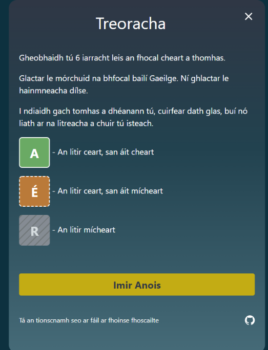
Dia daoibh! You may have already heard the hype around the new addictive word game called Wordle. This simple daily game challenges you to guess a word in six tries, and it lets you know if a letter is in the word or not, and whether it is in the right place. The word is…
Animals in Irish Posted by Bridgette on Jan 21, 2022
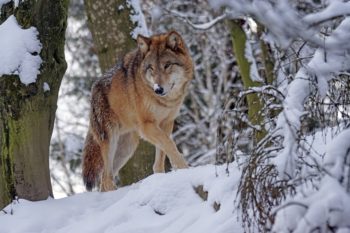
Dia dhaoibh! Did you know the the Irish word for wolf is ‘mac tíre‘ which translates as ‘son of the land’? Next time you watch Game of Thrones (which was largely filmed in Ireland) and think of the wolves (or dire wolves) roaming around the Kingsroad (aka the Dark Hedges) you can reflect on why…
Countdown to 2022 Posted by Bridgette on Dec 30, 2021
Dia dhaoibh! Hi everyone! 2021 is almost at an end, and so we are going to look back to some of the most popular Irish blogs of the year. So here is the comhaireamh síos (countdown): 5. Irish language resources online Some resources to help you along your Irish language journey. Please comment anything you…